
Not long ago, a second-hand EV in Australia was something you found after a long wait, usually an ex-government or ex-fleet Tesla or Hyundai, and often at a price that made a comparable petrol car look like the smarter buy. That market has completely turned around.
Used EVs are now among the tightest, fastest-moving segments in the entire Australian car market. Days of supply for used EVs fell to just 28.6 in March 2026, well under the 60–90 days considered a balanced market, according to Australian Automotive Dealer Association (AADA) data.
Our recent analysis of trends shaping Australia's car industry found electrification has moved from "early adopter curiosity" to genuine mainstream momentum, with EVs now holding roughly 14–14.6% share of the new-car market and used EV sales climbing around 126% in a single month.
So what's actually pushing buyers, and prices, toward used electric vehicles right now?
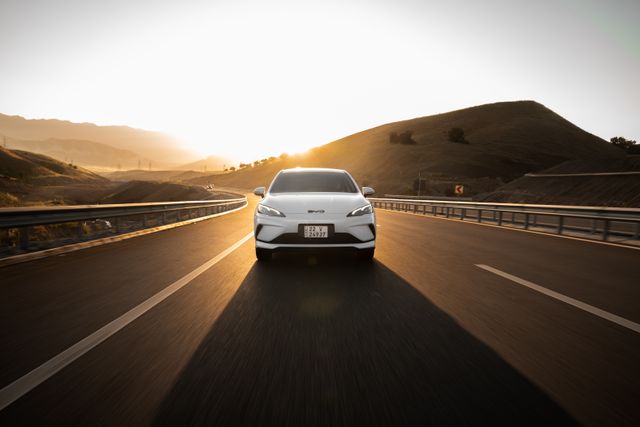
The Numbers: A Seller's Market for Used EVs
A few figures tell the story of how quickly this shifted:
- Used EV sales more than doubled month-on-month in March 2026, jumping from 3,176 units in February to 7,557, according to AADA data.
- Listed stock fell 38% over the same period, from 8,278 to just 5,129 vehicles, meaning more cars sold than were even available at the start of the month.
- Used EVs are generally selling for around 60-70% of their original new-car price.
- Pickles reported a 163% increase in website searches for EVs in March, with average bidder numbers up 45% on the month before, and a run of auctions hitting 100% clearance rates.
That's an extraordinarily fast swing for any vehicle segment, let alone one that was seeing softening prices as recently as late 2025.
What's Driving the Surge?
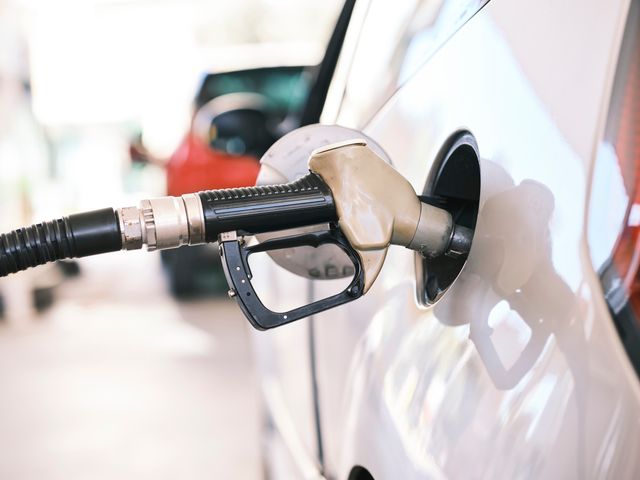
1. A fuel price shock changed the maths overnight
The single biggest trigger was a spike in petrol and diesel prices.
Unleaded 91 hit around $2.50 a litre and diesel climbed to roughly $3.20 a litre by the end of March 2026. For households and fleets alike, the running-cost gap between a petrol car and an EV suddenly became too large to ignore.
AADA CEO James Voortman noted that rising fuel prices are clearly reshaping buyer behaviour, pushing more Australians toward used EVs as a practical, cost-effective alternative.
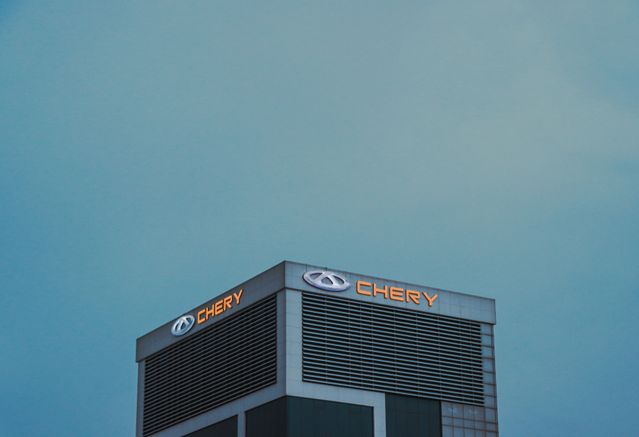
2. Chinese brands made EVs genuinely affordable
Much of the current EV boom, new and used, is being driven by the arrival of Chinese manufacturers. China overtook Japan and Thailand in early 2026 to become Australia's number one source of new car imports, with BYD and Chery sales surging 120.1% and 84.3% year-to-date while Toyota's slumped 24.6%.
Australia is now home to 12 Chinese OEMs representing 26 separate brands, a number expected to double within a few years. That influx of value-oriented, well-equipped EVs has pulled entry prices down across the board, and it's feeding directly into a larger, more affordable pool of used stock.
Notably, 82% of used EVs are now selling under $50,000, and 43% under $30,000.

3. Regulation is tightening the screws on emissions-heavy vehicles
Australia's New Vehicle Efficiency Standards (NVES), tightened further in February 2026, are pushing manufacturers to prioritise low-emission models across their lineups.
That's accelerating the shift away from traditional combustion favourites, Ford Ranger and Toyota HiLux sales are both down (7.7% and 13.2% respectively) while the Tesla Model Y has climbed 76.7%, and reinforcing that electrification isn't a niche trend but a structural shift in what's being built, imported, and eventually resold.

4. Novated leasing is quietly reshaping the used EV pipeline
EVs now represent 30 - 40% of all novated lease settlements in Australia, largely thanks to the ongoing FBT exemption for EVs priced under the Luxury Car Tax threshold ($91,661 for 2026/27). Those leases typically run three to five years, and with the exemption first taking hold in 2022–23, a meaningful wave of ex-lease EVs is now maturing.
Pickles forecasts up to 15,000 ex-lease EVs will enter the used market annually by late 2026. Rather than flooding the market and crushing prices the way early lease returns did overseas, this supply is currently being absorbed almost as fast as it lands, a sign of just how strong underlying demand has become.
5. Battery health certification is building buyer confidence
One of the quieter but more important shifts has been the rollout of battery State of Health (SoH) certification across Australian used-EV auction channels. Since Pickles launched its national SoH certification programme, it has reported 15%+ more bidders, 10%+ more bids per vehicle, and an average 6% price uplift for EVs sold with a certified battery report compared to industry benchmarks.
For a market where "how healthy is the battery?" used to be the single biggest question mark over buying second-hand, that transparency is removing a major barrier to entry, and letting sellers charge accordingly.
Who's Buying, and What They're Paying
The used EV buyer base has also broadened. Pickles reports that around half of its used EV stock is now bought by everyday buyers ("mums and dads"), not just fleets or businesses, drawn in by low mileage and solid service histories on ex-government and ex-corporate vehicles.
Even the salvage and repairable EV market is running hot: a batch of near-new BYD vehicles sold through Pickles Adelaide fetched 77 - 88% of their equivalent new car prices, with top results reaching $40,600 against a roughly $46,990 retail price, evidence that even damaged EVs are being valued close to showroom prices given the right repair pathway.
Will This Last?
The honest answer is: it depends largely on fuel prices.
AutoGrab's Saxon Odgers, whose data underpins much of the AADA reporting, noted that used EV residual values had been stabilising since January 2026 even before the March fuel spike, suggesting the market was already finding its footing.
But he also cautioned that the Australian automotive market can shift within weeks depending on global events. If elevated fuel prices persist, the current seller's market for used EVs is likely to hold or intensify. If prices at the bowser ease, some of the urgency may fade, though the NVES regulation, Chinese-brand affordability, the maturing novated lease pipeline and improving battery transparency, aren't going anywhere.
What This Means If You're Buying
- Move quickly on well-priced stock. With under 30 days of supply nationally, the days of haggling on a used EV listing are largely over for now.
- Look for battery health certification. A certified SoH report isn't just reassurance, it's increasingly reflected in the price, but it also protects you from buying a pack with meaningfully degraded range.
- Consider ex-novated-lease vehicles. These are typically low-mileage, well-serviced, and coming off three-to-four-year terms, making them some of the better-documented used EVs on the market.
- Compare Chinese-brand EVs on total cost, not just sticker price. With BYD, Chery, MG and others now offering genuine value at multiple price points, the used market for these brands is deepening quickly.
What This Means If You're Selling
Conditions currently favour EV sellers more than they have in years.
With clearance rates hitting 100% at some auctions and bidder numbers climbing sharply, now is a reasonable time to bring a used EV to market, particularly if it comes with a battery health certificate, which Pickles data shows can lift sale price by around 6% on average.
Given how quickly conditions can shift with global fuel markets, sellers weighing whether to list now or wait may want to act while demand is clearly outpacing supply.