
Halfway through 2026, Australia's automotive landscape looks almost unrecognisable from just a few years ago. The brands filling driveways, the powertrains under the bonnet, and the very structure of the dealership floor are all in flux.
Here are the top three trends defining the year so far.
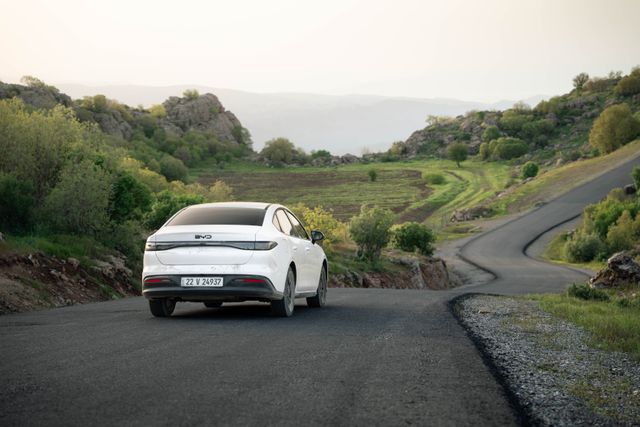
1. China Isn't Just Competing Anymore, It's Winning
For decades, Japan's dominance of the Australian new-car market felt like a permanent fixture. The main brand Toyota has dominated as our best-selling brand for 23 consecutive years since 2003. When they first headlined the chart’s, Finding Nemo was hitting the box-office, the Concorde flew it’s final commercial flight and Myspace launched.
Not anymore.
In the first months of 2026, China overtook Japan and Thailand to become the number one source of new cars imported into Australia.
The numbers tell the story just as clearly on the sales charts. While Toyota remains the nominal market leader with a 15.8% share, its sales have slumped by 24.6% year-to-date, while BYD and Chery have surged 120.1% and 84.3% respectively. Momentum only built through the middle of the year, June 2026 new vehicle registrations jumped 7.0%, with BYD surging 130% and closing in on Toyota.
It isn't just passenger cars, either. Chinese manufacturers are now going after Australia's beloved dual-cab ute segment, long considered untouchable Toyota and Ford territory. BYD's Shark 6 has effectively proven that the dual-cab ute class can be electrified, reshaping the make-up of Australia's favourite automakers, while Chery has confirmed its own diesel-hybrid ute for the Australian market.
Even established players are getting in on the act; Nissan has signalled it will lean on Chinese manufacturing and hybrid know-how, benefiting from what the industry calls "China Speed," the rapid development cycle that slashes the time needed for right-hand-drive conversion and local compliance.
The scale of this shift is striking. Australia is now home to 12 Chinese OEMs representing 26 separate brands, a number expected to double within three to five years. And the ambitions extend beyond new-car sales, MG's local managing director has publicly argued that used cars in Australia are overpriced, signalling that Chinese brands intend to chase value-conscious buyers away from both the new and used markets.
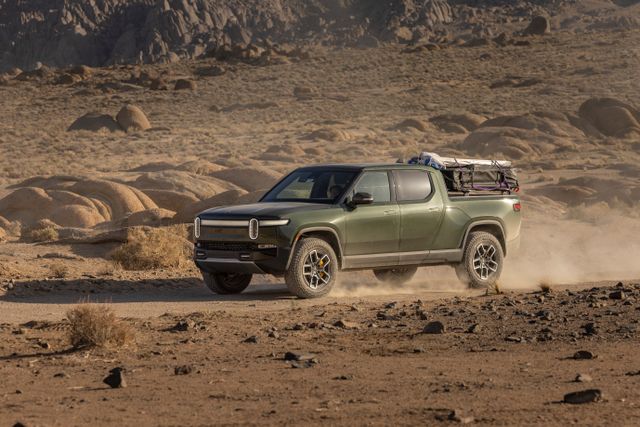
2. Electrification Goes Mainstream (Utes Included)
Australia's electric vehicle story has moved from "early adopter curiosity" to genuine mainstream momentum. EVs now hold a 14.2% share of the total new-car market, with year-to-date sales up 114.3%, fuelled by a wider range of affordable Chinese models and the renewed popularity of the Tesla Model Y.
By May 2026, EVs accounted for roughly 14.6% of all new vehicle sales, nearly double the growth rate of the year before, while second-hand EV sales climbed around 126% in March alone.
Regulation is doing a lot of the heavy lifting here. Australia's New Vehicle Efficiency Standards (NVES), tightened in February 2026, have reshaped car manufacturer strategies and pushed low-emission vehicle adoption across the board.
Add in a fresh fuel-price shock, and buyers who once dismissed electrification are taking a second look. The Ford Ranger and Toyota HiLux, Australia's perennial best-sellers, are both losing ground, down 7.7% and 13.2% respectively, while the Tesla Model Y has climbed 76.7%.
Plug-in hybrids, especially in the ute segment, are proving to be the electrification pathway many tradies and grey-nomad buyers are actually comfortable with. Plug-in hybrid sales doubled to 53,484 units in 2025, intensifying the race between manufacturers to offer the most compelling electrified drivetrain.
It's not just passenger vehicles either, companies including Woolworths, Coles and Ikea have been expanding their electric truck fleets, with more than half of Australia's diesel truck fleet approaching replacement age.
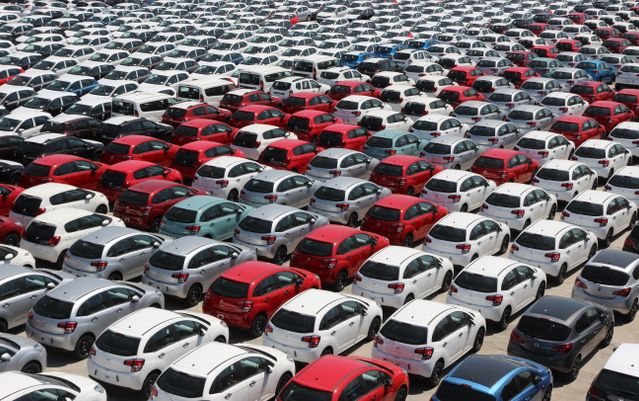
3. The Dealership Model Is Being Forced to Reinvest Itself
Behind the showroom glass, 2026 is forcing a reinvention of how Australians buy a car, and a reckoning for brands that can't keep pace.
The haggle-at-the-desk sales pitch is fading, with dealers moving to the agency model, fixed, no-haggle pricing model set by the manufacturer rather than the dealer. Honda and Mercedes-Benz were some of the first brands to move to this, BMW has flagged it will follow suit with its core brand from 2026/27. A shift the Australian Automotive Dealers Association (AADA) warns strips away any incentive for buyers to get a better deal.
At the same time, buying is moving online: Carsales remains the dominant player, commanding roughly nine times the time spent of its nearest rival and Pickles continues to set the wholesale pricing benchmarks the rest of the industry references.
Prestige retail is following suit too, with groups like Dutton One building dedicated pre-owned showrooms to capture buyers who want a structured experience over a private sale.
Used EVs are the standout story within that boom. Used EV sales more than doubled in a single month in March 2026 as fuel prices hit record highs, while listed stock fell 38%, pushing days of supply to under 29, well below a balanced market. Pickles has reported some of its busiest months yet for EV sales, with prices firming as demand outpaces supply.
The reality is not every brand will make it. With more than 15 new Chinese badges launched in the past 24 months, car manufacturers and dealerships are being forced to reimagine their car lineup and sales tactics to remain relevant.
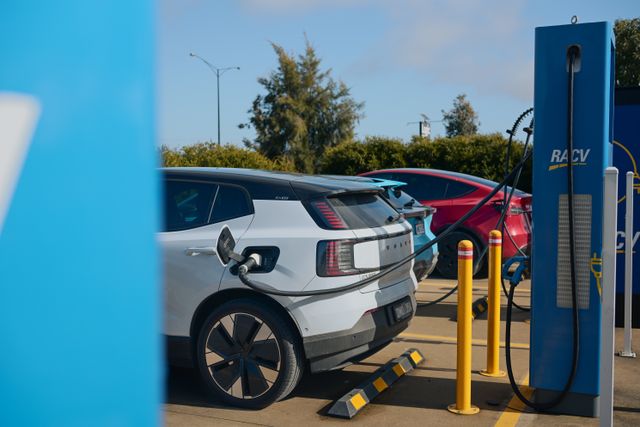
The Bigger Picture
None of these three trends exist in isolation. Chinese brands are the ones pushing electrification hardest and fastest, which in turn is squeezing the traditional dealership economics that Toyota, Ford and Mazda built their empires on.
Whether you're a buyer eyeing a plug-in hybrid ute, an investor watching dealership consolidation, or simply someone wondering why there are suddenly six unfamiliar badges parked at the local shopping centre, 2026 is shaping up as the year Australia's car market finally, decisively, changed hands.