
Electric vehicles are here to stay. Charging them? Easier than you might think.
This guide breaks down home charging, public charging, typical costs, and some practical tools that can make the process easier.
Charging at Home
For most Australians, home is the easiest and cheapest place to charge. There are two main options:
- Standard Powerpoint: Every EV sold in Australia can plug into a regular 240V socket. It’s the slowest option, adding about 10 km of range per hour, but it works perfectly for overnight top-ups.
- Wallbox Charger: A dedicated unit installed by an electrician. These deliver faster charging speeds (20–40 km of range per hour) and are ideal for daily drivers or households with more than one EV.
Tip: Some state governments offer rebates or support for installing home chargers. Check your local government websites for details.
Public Charging on the Road
The public charging network across Australia has grown rapidly. You’ll now find chargers at shopping centres, highways, workplaces, and even council car parks.
There are two types to know:
- AC chargers: Best for longer stops, such as shopping or work. Charging can take a few hours.
- DC fast chargers: Designed for road trips or quick top-ups. They can add 200–400 km of range in 20–40 minutes, depending on the car and charger.
Want to plan your next trip?
- PlugShare maps every charger in the country.
- Chargefox and Evie Networks show real-time availability and pricing.
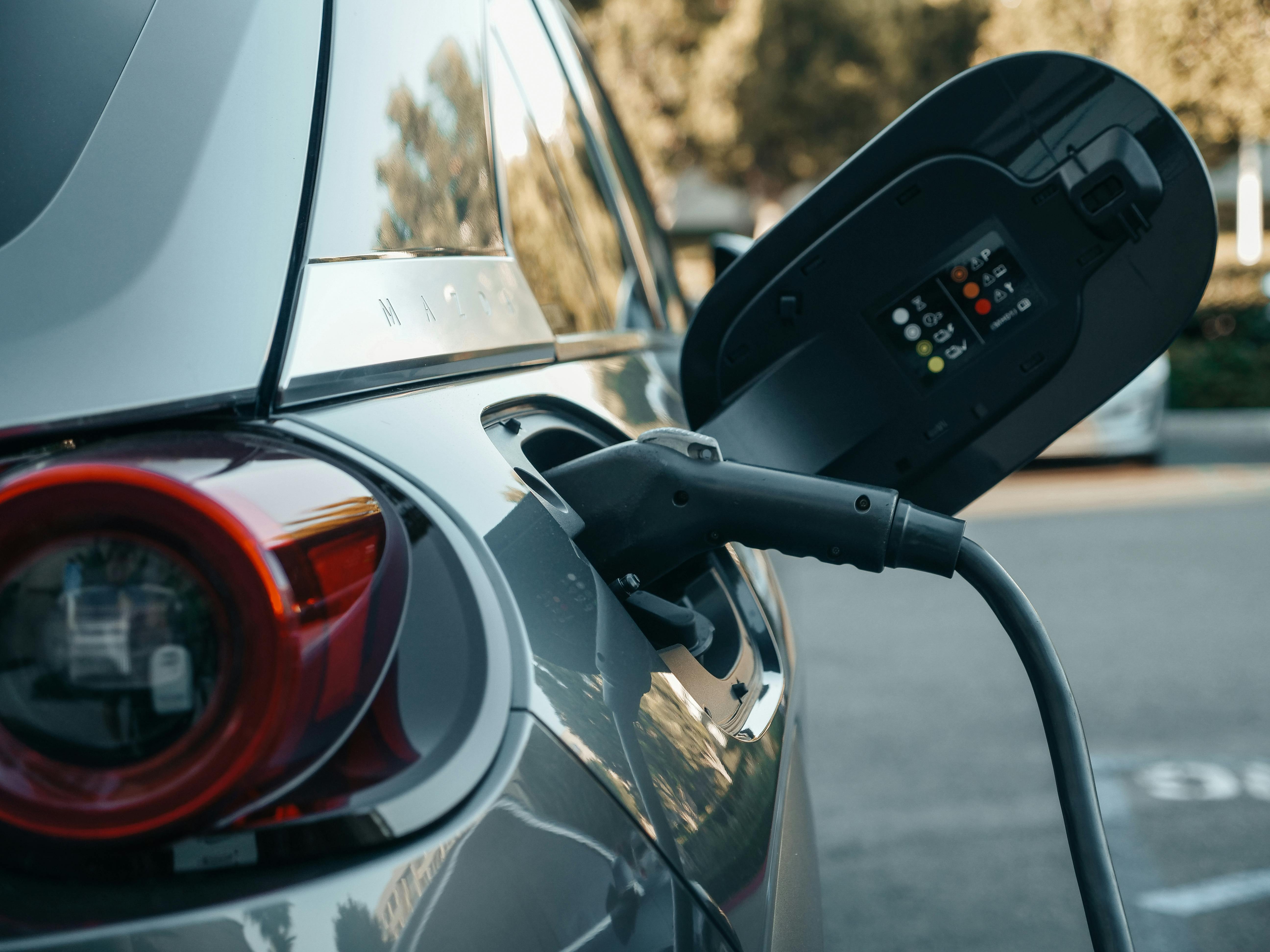
How Much Does Charging Cost?
Costs vary depending on where you charge:
- Home charging: Usually the cheapest option. Off-peak electricity rates can make it even more affordable. A full charge for a medium EV often costs $20–$30.
- Public AC chargers: Some are free, especially in council car parks or shopping centres. Others may charge around 20–40 cents per kWh.
- DC fast chargers: The quickest option but also the most expensive, typically around 40–60 cents per kWh.
By comparison, filling a petrol car of similar size can easily cost $80–$120.
Making Charging Simple with a Novated Lease
Keeping track of charging and fuel costs doesn’t need to be complicated. With a Remunerator novated lease, you can use your pre-tax salary to pay for your car and all its running costs, including charging.
Even better, our Remunerator fuel cards now come with charge cards. That means you can pay for public charging directly from your lease account, just like you would at a service station. No need to juggle receipts or separate bills.
The bottom line?
Charging doesn’t need to be a barrier. With the right setup at home, a growing public network, and a novated lease that simplifies your costs, driving an EV in Australia has never been easier.