
Still unsure about going electric?
You are not alone.
Despite record EV sales across Australia, a few stubborn EV myths continue to hold people back. Charging takes too long. Range is not enough. Batteries will fail. It feels risky.
In 2026, most of those concerns are outdated.
Let's break them down properly and look at the numbers.
Myth 1: Charging Takes Too Long
This is usually the first problem.
People picture sitting at a public charger for hours.
The reality is different.
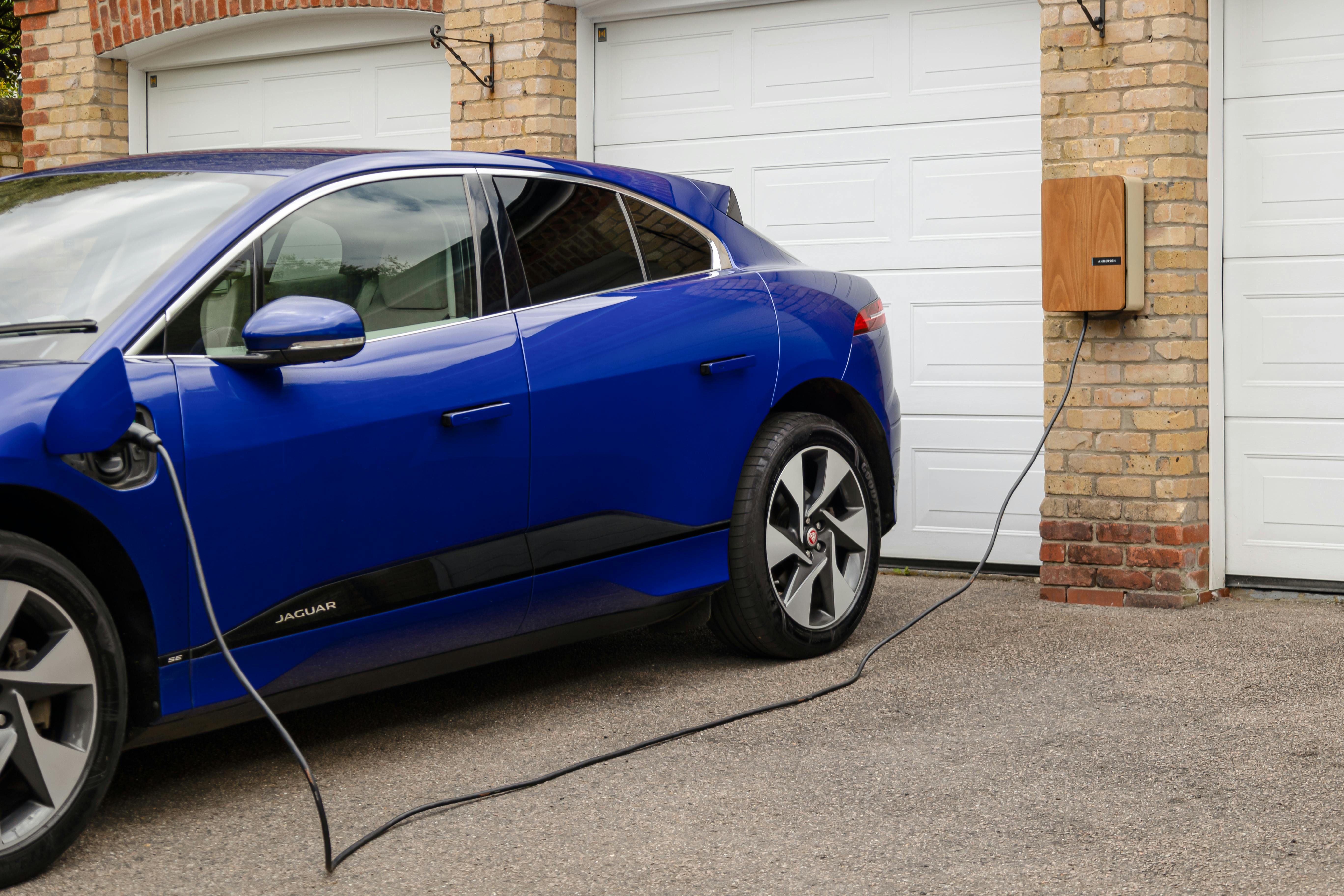
Most EV charging happens at home. You plug in overnight. You wake up to a full battery. No fuel station stops. No detours.
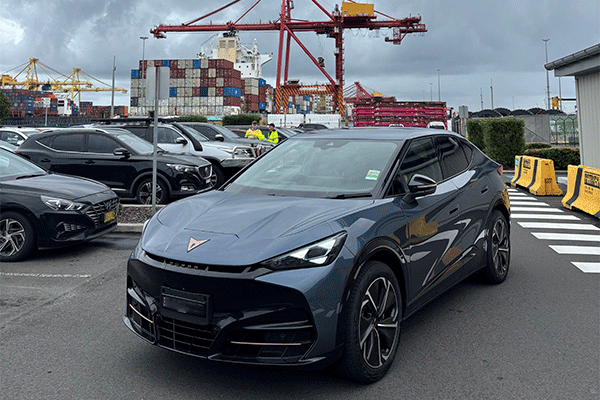
Fast charging infrastructure is expanding rapidly across metro and regional Australia. On a 150kW charger, many EVs can add 200 to 300 kilometres of range in around 20 to 30 minutes.
That is a coffee break, not an afternoon.
And most Australians drive les than 40km per day. daily charging is rarely necessary.
Myth 2: The Range Is Not Enough
Range anxiety used to be valid.
It is far less relevant today.
Many popular electric SUVs in 2026 offer 400 to 500 kilometres of real-world range. That comfortably covers:
- Commuting
- School drop-offs
- Weekend sport
- Regional trips
Charging networks now span major highways and urban corridors. Apps plan your stops automatically.
For most drivers, range is no longer the limitation. Habit is.

Myth 3: EV Batteries Will Fail and Cost a Fortune
Battery health remains one of the biggest EV myths.
Modern EV batteries are engineered for longevity. Most manufacturers provide 8 year warranties, often up to 160,000km.
Global data shows battery degradation is slower than originally predicted, with many vehicles retaining well over 85 percent capacity after years of use.
And if you are packaging through a novated lease, you are not committing to long-term ownership. lease terms typically range from two to five years. That give you flexibility to upgrade as technology evolves.

The Electric Car Discount Changes the Equation
There is another factor many people underestimate.
Eligible electric vehicles can currently be salary packaged without Fringe Benefits Tax, up to the luxury car tax threshold for fuel efficient vehicles, which sits at $91,387 in the 2025 to 2026 financial year.
That means electric vehicles first made available for use on or after 1 July 2022 and priced under the threshold may qualify for significant tax advantages when packaged.
The result is simple.
Lower effective weekly cost.
Real Comparison: Petrol SUV vs Electric SUV
Let's look at a direct comparison based on very similar priced vehicles.
Kia Sorento

2025 MQ4 Sport 7 Seat Auto
RRP: $59,594
You can have your new Kia Sorento for $368 per week on a novated lease, including running costs.
Packaging it saves $9,914 over the life of the lease.
Tesla Model Y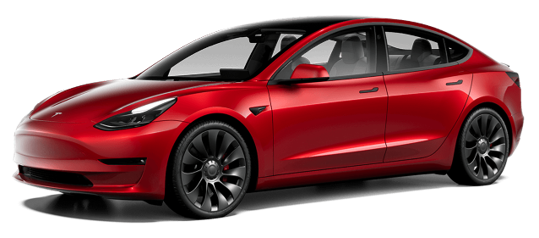
2026 Rear Wheel Drive Electric Auto
RRP: $64,483
You can have your new Tesla Model Y for $251 per week on a novated lease, including running costs.
Packaging it saves $28,722 over the life of the lease.
The Difference
That is an extra $18,808 in savings with the electric vehicle.
The EV has the higher RRP.
Yet the weekly cost is significantly lower.
Why?
- No fuel
- Lower servicing requirements
- FBT exemption under the Electric Car Discount
- Pre-tax novated leasing structure
This is where many EV myths fall apart. When you look at total cost of ownership rather than sticker price, the picture changes quickly.
Myth 4: Leasing an EV is Risky
Some people hesitate because technology is evolving.
What if something better comes out?
That is exactly why a novated lease can make sense.
Instead of committing to owning the vehicle for ten years, you are entering a defined lease term. Two to five years is common.
At the end, you can:
- Upgrade
- Refinance
- Pay the residual
- Or move on
It reduces long-term exposure while still allowing you to benefit from today's incentives.
Why These EV Myths Persist
Change takes time.
Petrol vehicles have been the norm for decades. Headlines often focus one extremes rather than averages.
But the numbers are becoming harder to ignore.
When an electric SUV can cost over $100 per week less than a comparable petrol SUV, including running costs, the conversation shifts.
Thinking About Making the Switch?
You do not have to commit forever.
You just need clear information.
If EV myths have been holding you back, it may be time to look at a tailored comparison based on your salary and driving habits.
The Electric Car Discount is currently under review. If you are considering an EV, timing matters.
Explore how a novated lease works, review eligible EV options, and run the numbers properly.
Because once you do, the myths tend to disappear.