
Fuel prices are climbing again. For many Australian drivers, every fill-up is about to take a bigger bite out of the weekly budget.
The temporary fuel excise cut ended at midnight on Sunday 2 August 2026. At the same time, the excise was adjusted for inflation, bringing the rate to 53.7 cents per litre from 3 August.
The change will not necessarily appear at every petrol station straight away. But as higher wholesale costs move through the supply chain, households should prepare for more pressure at the pump.
That makes this a good time to look at two options. Employees can use a novated lease to make eligible fuel and vehicle costs more tax effective and easier to budget for. Those choosing their next car can also compare the potential benefits of moving away from petrol altogether with an electric vehicle.
What changed with the fuel excise?
Fuel excise is a federal tax included in the price of petrol and diesel. Although it is charged at the wholesale level, drivers generally pay for it through the price at the bowser.
The government temporarily cut the excise in April to ease cost-of-living pressure. Part of the discount was removed in July, before the remaining relief ended on 3 August.
The excise has now increased from 36.6 to 53.7 cents per litre. If the full 17.1-cent increase is passed on, filling a 50-litre tank would cost about $8.55 more.
This increase may take around a week to 10 days to appear at the pump. The price you pay will still depend on factors such as your location, the retailer, fuel-price cycles and global oil prices.
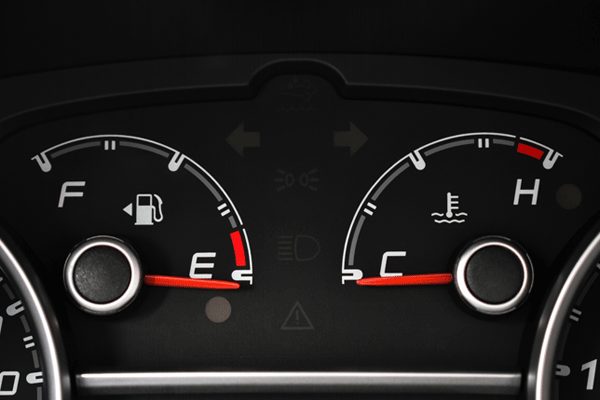
Two ways we can help manage rising fuel costs
Fuel is not an optional expense for many. It gets people to work, children to school and families where they need to go.
The challenge is that prices can move quickly. A household budget that worked last month may suddenly feel tight, particularly for someone with a long commute or regular regional travel.
At Remunerator, we are helping employees look beyond the next fill-up. The two main options are:
- Use a novated lease to make eligible petrol and other vehicle running costs more tax effective and easier to manage through regular salary deductions.
- Consider transitioning to an electric car, removing petrol from the weekly budget and potentially accessing additional novated leasing benefits where the vehicle is eligible.
These options work differently. One helps change how eligible fuel costs are paid and budgeted. The other removes petrol use entirely. The right approach depends on the employee's vehicle, driving habits and broader financial circumstances.
Option 1: Save on eligible fuel costs with a novated lease
A novated lease does not change the price displayed at the petrol station. It changes how eligible fuel and vehicle costs are paid.
Finance payments and estimated running costs are combined into regular deductions from your salary. Depending on the vehicle and applicable tax treatment, those deductions may include a mix of pre-tax and post-tax amounts. Eligible running costs can also be paid without GST, which can reduce the effective cost compared with paying the same expense entirely from take-home pay.
A typical running-cost budget can include:
- Fuel or eligible charging costs
- Registration and insurance
- Scheduled servicing and maintenance
- Tyres and other approved vehicle expenses
Instead of absorbing every fuel purchase and vehicle bill as a separate hit to your bank account, you contribute towards an agreed budget throughout the year.
We work with employees to estimate their annual fuel use, build it into the lease and adjust the allowance when circumstances change. This is particularly relevant now. A budget based on lower fuel prices may no longer reflect what someone is actually spending at the pump.
If you already have a novated lease, review your recent fuel usage and available balance. If the allowance is running ahead or behind, contact us so we can discuss whether budget needs to be updated.
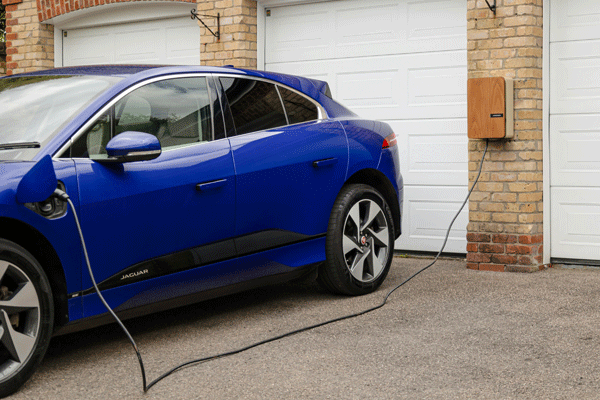
Option 2: Transition from petrol to an electric car
For employees thinking about their next car, the fuel excise increase may be another reason to compare an electric vehicle with petrol and hybrid alternatives.
A battery electric vehicle does not require petrol or diesel. That removes direct exposure to fuel-price spikes. Electricity and public charging still have a cost, but charging at home can often provide a more predictable alternative to weekly petrol purchases. The actual outcome depends on where and when the car is charged, how far it travels, its efficiency and the electricity plan used.
Eligible electric cars may also qualify for the federal electric car FBT exemption. When the conditions are met, the car benefit and certain associated expenses can be exempt from fringe benefits tax. This means an eligible EV can generally be packaged 100 per cent from pre-tax salary, making the transition particularly attractive through a novated lease.
Explore the eligible models currently available in the Remunerator EV Hub.
Petrol, hybrid or electric: Start with how you drive
There is no single right choice for everyone. The best option is the one that fits your real driving habits and overall budget.
Before choosing a vehicle, consider:
- How many kilometres you drive each week
- Whether most trips are in the city, on highways or in regional areas
- Whether you can charge at home or at work
- The purchase price, finance cost and expected resale value
- Insurance, servicing, tyres, fuel or electricity costs
- The tax treatment that applies to the specific vehicle and arrangement
Comparing the complete cost is more useful than looking at the fuel bill alone. A car with lower energy costs may have a higher purchase price. Another vehicle may be cheaper upfront but cost more to run over time.
How we help you compare the options
Rising fuel prices can make car decisions feel harder. Our role is to help you understand the two pathways and see the full picture before committing.
We can help you:
- Review an existing fuel allowance and recent usage
- Estimate fuel or charging costs for a new lease
- Compare petrol, hybrid and electric vehicles
- Understand which costs can be included in a novated lease
- Model potential outcomes under a personalised quote
- Source a suitable new vehicle through our complementary car procurement service, Remunerator Motorsearch
The goal is not to push everyone towards the same answer. It is to help each person compare the cost of staying with petrol, packaging eligible fuel expenses or transitioning to an EV that suits their lifestyle.
A good time to review the numbers
The fuel excise cut has ended. Higher pump prices are likely to follow.
You may not be able to control global oil markets or government tax settings. You can still review how you pay for fuel today and compare it with the longer-term option of moving to an electric car.
Explore the Remunerator Novated Lease Calculator, learn more about novated leasing, or read our guide to choosing the right car. You can also request a personalised, no-obligation quote to compare your options.
Information was current at the time of publishing and is general in nature. It does not constitute financial, tax or legal advice and does not take into account your objectives, financial situation or needs. Eligibility and savings vary. Consider seeking independent financial and tax advice.