
Charging your EV is simple. But how do you claim the cost?
If recharging costs are included in your novated lease budget, there are several ways you can claim EV charging costs through your novated lease. Here's what you need to know.
The ATO EV Home Charging Rate?
The ATO EV Home charging rate provides a simpler way to calculate the electricity cost of charging an eligible EV at home.
Instead of separating your EV charging from the rest of your household electricity usage, eligible drivers can calculate their home charging costs based on the distance travelled.
The applicable rate is 5.47 cents per kilometre.
For example, if your EV travelled 5,000 kilometres during the period you are claiming:
5,000km x $0.0547 = $273.50
To make a claim through Remunerator using this method, complete Remunerator's Electric Vehicle Claim Form with your details, starting odometer reading, final odometer reading and total kilometres travelled, then send completed form through to service@remunerator.com.au.
How Often Can You Claim Home EV Charging Costs?
You don't need to submit a claim every time you charge your EV at home.
How frequently you submit a reimbursement claim is up to you. You might prefer to claim regularly throughout the year or wait until you have accumulated more kilometres.
Whichever approach works best for you, keeping track of your odometer readings will make the process easier.
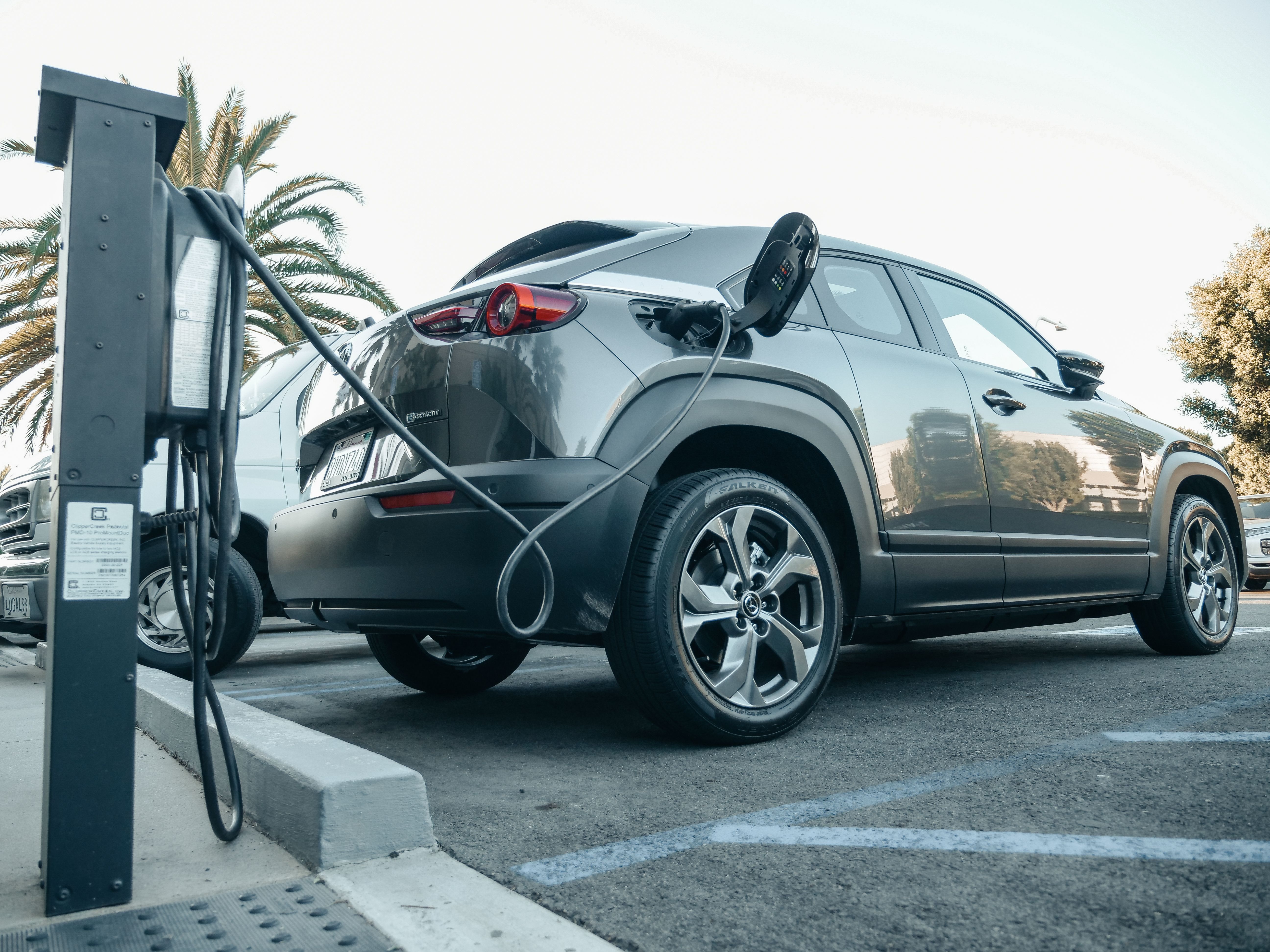
What Other Ways Can I Claim EV Charging Costs?
Use of Commercial Charging Stations
If you use public or commercial charging stations, you can submit the receipts for reimbursement.
With Remunerator, simply log in to your package, upload the relevant receipt and select Fuel from the reimbursement drop-down menu.
You must have your receipt from the charging provider to support the claim.
Home Charging With a Separate Meter
Some home charging setups have a separate meter that can identify how much electricity is being used specifically to charge the EV.
If yours does, you may be able to claim the actual electricity cost associated with charging your vehicle instead of using the kilometre method.
To submit a reimbursement claim using this method you'll need an electricity bill or supporting documentation that separately identifies the electric consumption used to charge the EV.
Can You Claim Both Home and Public EV Charging?
No, unless your EV can accurately determine the percentage of its total charging that occurred at home compared with other charging locations.
If your vehicle can provide this information, home and commercial charging costs may both be accounted for, with the relevant kilometres adjusted to reflect the proportion of charging completed at home.
If it can't, you'll need to choose either the EV home charging rate or your commercial charging costs.
Making EV Charging Claims Simple
Being able to plug in at home is one of the biggest conveniences of driving an EV.
And once you know how the reimbursement process works, keeping track of those charging costs doesn't need to be complicated either.
Whether you charge predominantly at home, use public charging stations or have a separately metered home charger, choosing the appropriate claim method and keeping the right records can make managing your EV running costs much simpler.
if you're unsure which method applies to your novated lease, get in touch with the Remunerator team before submitting your claim.
This information is general in nature and is provided for informational purposes only. It does not constitute financial, tax or legal advice. Eligibility, applicable rates and reimbursement requirements may change and can depend on individual circumstances, employer arrangements and novated lease requirements.