
BYD or Tesla?
If you're considering a novated lease in 2026, there's a good chance you're deciding between these two EV giants.
Both brands offer impressive electric vehicles, strong driving range, and the potential for significant tax savings through salary packaging. But when it comes to overall value, the choice isn't always as straightforward as comparing the sticker price.
Should you choose the lower-cost BYD and maximise your savings? Or does Tesla's technology, charging network and resale value justify the extra spend?
Let's compare the numbers, features and ownership costs to find out which brand delivers the best value on a novated lease in 2026.
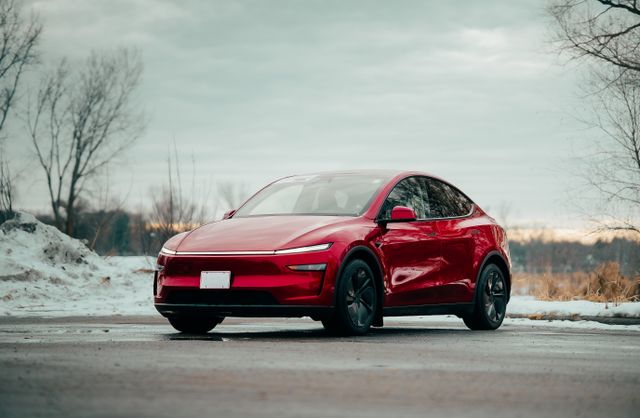
Why BYD and Tesla Dominate the Novated Leasing Market
If you're looking for an electric vehicle through a novated lease, BYD and Tesla are likely to be at the top of your shortlist.
Both brands offer vehicles that qualify for the Electric Car Discount (subject to eligibility requirements), allowing many employees to access substantial tax savings through novated leasing.
Both also offer strong driving range, low running costs and modern technology. The challenge is deciding which one delivers the better overall value for your circumstances.
To help answer that, let's compare them across the factors that matter most to novated lease customers.
Round 1: Purchase Price
When it comes to upfront cost, BYD has the advantage.
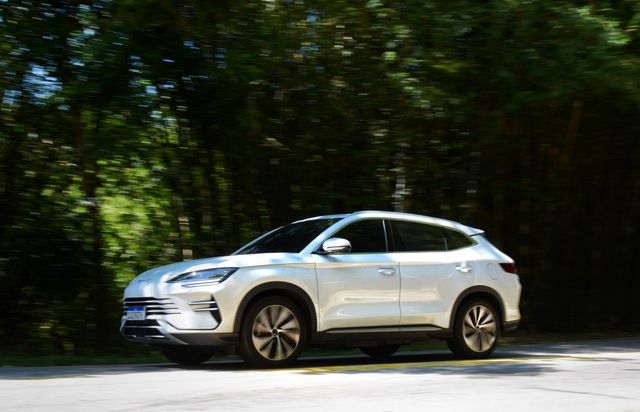
BYD currently offers the most affordable EV on the market. The Atto 1 Essential model starts from $26,448. That's $140/week* on a novated lease.
BYD's best-selling models the Seal and Sealion 7 are direct competitors for the Tesla Model 3 and Model Y. Typically, the BYD is priced below the equivalent Tesla model, making them attractive for budget-conscious buyers.
A lower vehicle purchase price can often lead to:
- Lower lease repayments
- Lower financing costs
- Reduced overall lease expenditure
If your primary goal is to reduce costs through a novated lease, BYD makes takes the win.
Winner: BYD
Round 2: Technology and Features
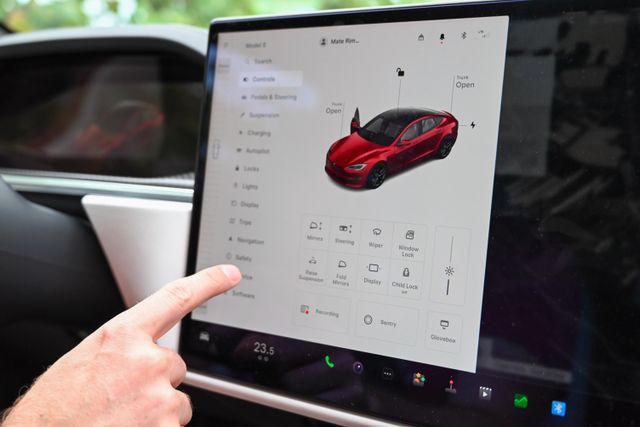
Tesla has built its reputation on technology. It's minimalist interior is driven by a central touchscreen, with over-the-air (OTA) updates that regularly improve performance, add features, and refine the user experience. It's pioneering Autopilot capabilities is an exciting and leading technology on Australian roads. Tesla continues to set the benchmark for software and user experience.
BYD, by comparison, offers a strong level of standard technology with a more familiar feel. Features like rotating touchscreens, voice controls, and solid driver-assistance systems make its vehicles accessible and easy-to-use, particularly for those transitioning from traditional ICE cars. While BYD supports OTA updates, they aren't as frequent and less transformative than Tesla's.
For drivers who prioritize innovation and connectivity, Tesla has the edge.
Winner: Tesla
Round 3: Charging and Convenience
Charging infrastructure plays a crucial role in the EV ownership experience, with range anxiety still a key barrier for many drivers.
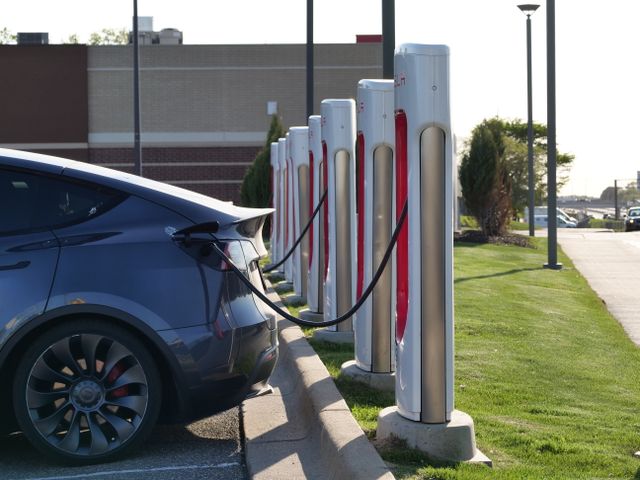
Tesla being the first EV to the market, invested and developed it's supercharger network early. The result is a reliable, easy-to-use, and rapidly expanding system across Australia, fully integrated within the vehicle's navigation for seamless trip planning and charging stops.
BYD drivers, on the other hand, rely on a mix of public charging providers. Providers like Chargefox and Evie Charging have invested heavily in their networks over the past few years. While access is widespread and improving, the experience can vary depending on location, charger availability, and network reliability.
For frequent long-distance drivers, Tesla's dedicated and integrated charging ecosystem offers greater convenience and peace of mind.
Winner: Tesla
Round 4: Running Costs
This contest is much closer.
Both brands offer significantly lower running costs than petrol or diesel vehicles.
Drivers can benefit from:
- Lower energy costs
- Reduced servicing requirements
- Fewer mechanical components
- No fuel expenses
The difference between BYD and Tesla ownership costs is relatively small, particularly for drivers who primarily charge at home.
Winner: Draw

Round 5: Value for Money
This is where BYD shines.
The brand has built its success by offering strong specifications, competitive driving range and premium features at a lower price point than many competitors.
For many Australians, BYD delivers nearly everything they want from an EV while keeping monthly lease costs lower.
That's difficult to ignore when comparing overall value.
Winner: BYD
Round 6: Resale Value
Resale Value is an important consideration because it can influence the estimated future value of the vehicle at the end of the lease.
Historically, Tesla has maintained stronger resale values thanks to its brand recognition and established market position.
While BYD's popularity continues to grow rapidly in Australia, Tesla currently retains a slight advantage in this area.
Winner: Tesla
Final Score: BYD vs Tesla for Novated Leasing
After comparing the key areas that matter to novated lease customers, the result is surprisingly close.
| Category | Winner |
| Purchase Price | BYD |
| Technology | Tesla |
| Charging Network | Tesla |
| Running Costs | Draw |
| Value for Money | BYD |
| Resale Value | Tesla |
So, Which One Should You Choose?
Choose BYD if:
- You want to maximise your novated lease savings
- Value for money is your highest priority
- You prefer paying less upfront
- Most of your driving is around town or suburban areas
Choose Tesla if:
- You prioritise technology and software
- You regularly travel longer distances
- Charging convenience is important
- You're comfortable paying more for additional features